

A scissor lift platform is a type of mobile elevating work platform designed to raise workers and materials vertically. Its compact structure, stable platform, and controlled lifting motion make it useful in construction, maintenance, warehousing, manufacturing, and facility management.
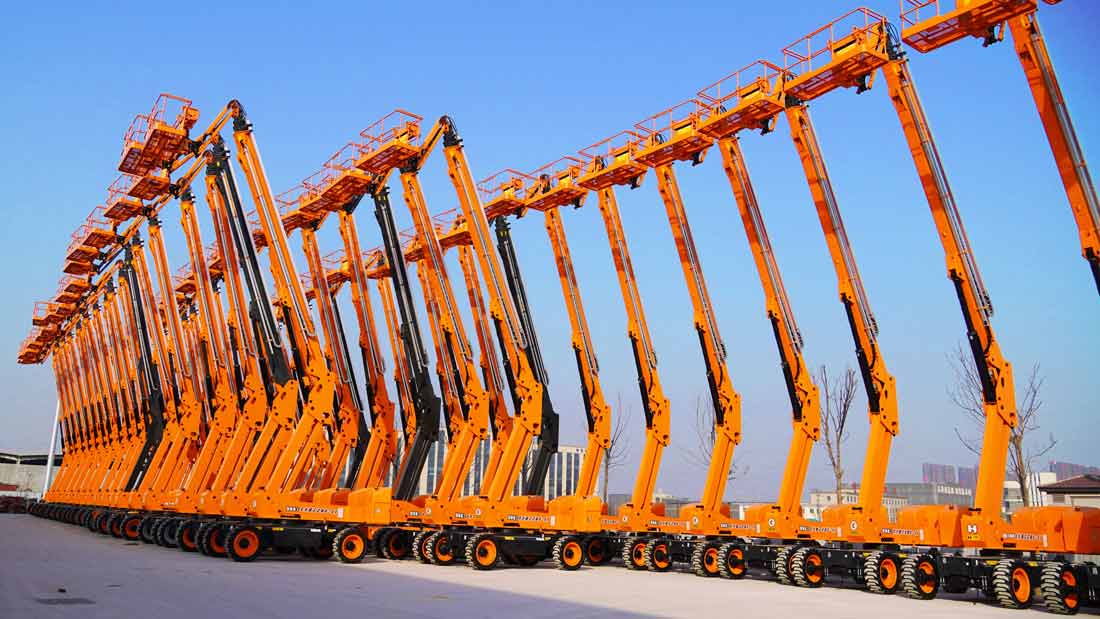
Understanding the main scissor lift platform components helps operators recognize how the equipment works, identify potential problems, and perform safer inspections. Although designs vary by manufacturer and model, most scissor lifts include several essential mechanical, electrical, and safety components.
1. Work Platform
The work platform is the main area where operators, tools, and materials are positioned. It usually consists of a metal deck with a non-slip surface designed to provide a stable working area.
The platform’s size and rated capacity depend on the lift model. Operators must never exceed the stated capacity, which includes the combined weight of people, tools, and materials.
Before use, inspect the platform for:
Damage, cracks, or excessive corrosion
Loose or missing floor panels
Slippery surfaces or accumulated debris
Damaged access doors or gates
Missing capacity labels or safety decals
The platform should be kept clean and free from loose objects that could create trip hazards.
2. Guardrails, Midrails, and Toe Boards
Guardrails form the primary fall-protection system around the work platform. They generally include a top rail, midrail, access gate, and toe boards.
Operators should confirm that:
The guardrails are securely attached
The access gate closes and latches properly
Toe boards are present and undamaged
No rail has been bent, removed, or modified
Workers remain inside the guardrail system
OSHA advises workers to check the guardrail system before operating a scissor lift and to stand only on the work platform—not on the guardrails. OSHA Scissor Lift Safety Guidance
3. Platform Extension Deck
Many scissor lifts include a sliding or roll-out platform extension. This component helps operators reach areas beyond the main deck without moving the entire machine.
The extension deck may include:
Locking pins or retaining mechanisms
Extension rollers or guides
A secondary deck surface
Additional guardrail sections
A maximum extension load rating
Before extending the deck, check that the area is clear and that the extension is fully secured. Never use an extension deck beyond the limits stated in the operator’s manual.
4. Scissor Arms
The scissor arms are the crossed structural members that give the machine its name. They extend and retract in a coordinated motion to raise and lower the platform.
These arms must remain structurally sound because they support the platform and its load. Operators and maintenance personnel should look for:
Bent or cracked sections
Damaged welds
Loose fasteners
Excessive wear at pivot points
Missing pins, bushings, or retaining clips
Hydraulic leaks near the lifting mechanism
The scissor arms should never be repaired, welded, or modified by unauthorized personnel. Maintenance must follow the manufacturer’s instructions and applicable workplace requirements.
5. Hydraulic Lift Cylinder
Many scissor lifts use one or more hydraulic cylinders to move the scissor arms. Hydraulic fluid is pressurized to extend the cylinder and raise the platform.
Important hydraulic components may include:
Hydraulic cylinders
Pumps
Hoses and fittings
Valves
Hydraulic fluid reservoirs
Pressure-control systems
A leaking hose, damaged fitting, or unusual lowering speed may indicate a serious problem. Do not touch a suspected high-pressure hydraulic leak with your hands. Remove the lift from service and have it inspected by qualified personnel.
Some electric scissor lifts use different lifting arrangements, so operators should always consult the specific equipment manual.
6. Base Frame and Chassis
The base frame, also called the chassis, supports the lift mechanism, power system, wheels, and other equipment. It transfers the machine’s weight to the ground and helps maintain stability during operation.
The chassis may contain:
Drive motors
Batteries or an engine
Hydraulic and electrical systems
Ground controls
Braking components
Stabilizers or pothole protection devices
Inspect the chassis for structural damage, loose covers, fluid leaks, and objects that could interfere with moving parts.
7. Wheels, Tires, and Braking System
Wheels and tires allow the scissor lift to move around the job site. Depending on the model, the machine may use solid, foam-filled, non-marking, or rough-terrain tires.
Before operation, inspect:
Tire condition and inflation, when applicable
Wheel bolts and hubs
Drive motors
Steering response
Service brakes
Parking brakes
A scissor lift should stop and remain stationary when the brakes are applied. OSHA recommends verifying that the brakes hold the equipment in position during inspection and maintenance checks. OSHA Working Safely with Scissor Lifts
8. Platform and Ground Control Stations
Most self-propelled scissor lifts have two control stations:
Platform Controls
The upper control station is used by the operator on the platform. It commonly includes:
Lift and lower controls
Drive and steering controls
Emergency stop button
Horn
Speed selection
Battery indicator
Tilt or overload warning indicators
Ground Controls
The lower control station allows authorized personnel to perform inspections and operate the platform from the ground. It may also be used to lower the platform during an emergency.
Control layouts differ by model. A JLG scissor lift manual, for example, identifies platform controls such as the emergency stop switch, drive/lift selector, joystick, horn, battery indicator, alarm, and tilt indicator. JLG Scissor Lift Manual
Operators should test all controls before use and never operate a machine with defective or unresponsive controls.
9. Power Supply and Electrical System
Electric scissor lifts are commonly powered by rechargeable batteries. The electrical system supplies energy to the drive motors, lift system, controls, alarms, and other functions.
Key components may include:
Batteries
Battery charger
Cables and connectors
Fuses and circuit breakers
Electric drive motors
Control modules
Battery charge indicators
Keep battery terminals clean and inspect cables for cuts, exposed wires, corrosion, or loose connections. Charging should take place in the designated area and according to the manufacturer’s instructions.
10. Safety and Stability Systems
Modern scissor lifts may include several systems designed to reduce operating risks. These can include:
Emergency stop switches
Tilt sensors
Overload sensors
Platform height restrictions
Pothole protection devices
Automatic braking systems
Audible alarms
Manual emergency descent systems
Interlocks on gates and controls
These systems are designed to support safe operation, but they do not replace operator judgment. Never bypass, disable, or modify a safety device. OSHA recommends testing controls and inspecting safety-related components before each use. OSHA Scissor Lift Inspection Guidance
11. Emergency Lowering System
An emergency lowering system allows the platform to be lowered if the main controls fail or the operator becomes unable to operate the lift.
Depending on the model, emergency lowering may be controlled by:
A manual descent valve
A pull handle
A hydraulic release mechanism
Ground-level controls
An auxiliary power system
Every operator should know where the emergency lowering control is located and understand how it works. Emergency procedures should be reviewed before beginning work, especially when operating in enclosed or crowded areas.
How Scissor Lift Components Work Together
A scissor lift operates through the coordination of several systems:
The power source supplies energy to the lift and drive systems.
The hydraulic or electric lifting mechanism moves the scissor arms.
The scissor arms raise the work platform vertically.
The chassis and wheels support and position the machine.
The control stations manage movement and lifting.
Safety systems monitor conditions such as tilt, overload, and emergency stops.
A problem in one component can affect the performance of the entire machine. That is why a complete pre-use inspection is more effective than checking only the visible platform area.
Scissor Lift Component Inspection Checklist
Before operating a scissor lift platform, inspect:
Platform deck and extension
Guardrails, gates, and toe boards
Scissor arms and pivot points
Hydraulic cylinders, hoses, and fittings
Chassis and structural frame
Tires, wheels, brakes, and steering
Platform and ground controls
Batteries and electrical connections
Alarms, sensors, and emergency stops
Safety labels and capacity markings
If a safety-critical defect is discovered, stop using the machine, report the problem, and ensure qualified personnel complete the necessary repair.
Frequently Asked Questions
What is the most important component of a scissor lift?
No single component is more important than the others. The platform, lifting mechanism, chassis, controls, and safety systems must all function correctly for safe operation.
What raises the platform on a scissor lift?
Most scissor lifts use hydraulic cylinders or electrically powered lifting systems to extend the scissor arms and raise the platform.
Can operators repair scissor lift components?
Routine checks may be performed by trained operators, but repairs and adjustments should be completed only by qualified personnel in accordance with the manufacturer’s instructions.
Why are scissor lift safety systems important?
Safety systems help detect conditions such as overload, excessive tilt, control failure, or emergency situations. They reduce risk but do not eliminate the need for training and careful operation.
Conclusion
Knowing the main scissor lift platform components gives operators a better understanding of the equipment they use every day. From the work platform and guardrails to the scissor arms, chassis, controls, power supply, and emergency systems, each part plays an important role in performance and safety.
Operators should combine component knowledge with proper training, daily inspections, manufacturer instructions, and local safety requirements. A well-maintained scissor lift is easier to operate, easier to inspect, and safer for everyone on the job site.
Equipment designs and safety requirements vary by model, manufacturer, industry, and jurisdiction. Always consult the relevant operator’s manual and applicable regulations before using a scissor lift.